

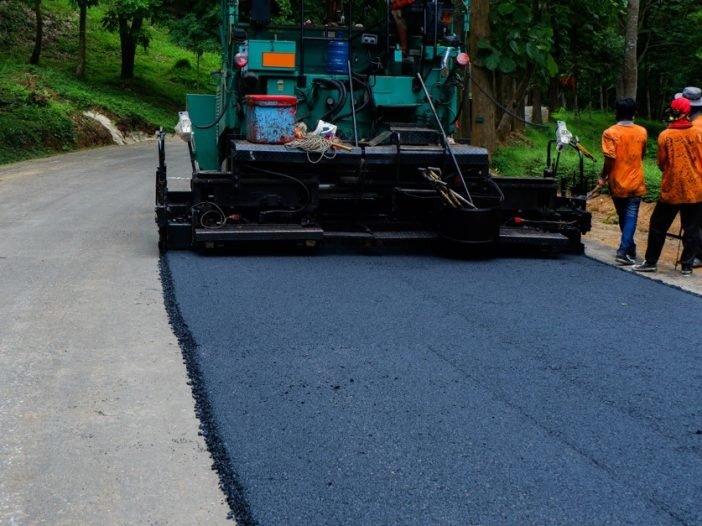
Asphalt vs. Concrete: Which Is Right for Your Central Valley Property?
When homeowners and property managers in Fresno start planning a new driveway or parking lot, the first fork in the road is usually the same: asphalt or concrete?
Both are viable. Both can last 20–30 years or longer. The decision comes down to your budget, your priorities, and some specific factors that matter in the Central Valley climate. Here's an honest side-by-side comparison.
At a Glance: Asphalt vs. Concrete
| Factor | Asphalt | Concrete |
|---|---|---|
| Upfront cost (installed) | $3 – $7 per sq ft | $6 – $12 per sq ft |
| Typical lifespan | 20 – 30 years | 25 – 40 years |
| Maintenance frequency | Sealcoat every 2–4 years | Minimal; occasional sealing |
| Repair cost | Lower; patches blend in | Higher; patches visible |
| Heat performance | Flexible; slight softening possible in first week | Rigid; can crack from soil movement |
| Resurfacing option | Yes — overlay adds years of life | No — requires full section removal |
| Recyclability | 100% recyclable | Limited recyclability |
Cost: Asphalt Is Significantly Cheaper Upfront
On a typical Fresno residential driveway, asphalt installation runs $3–$7 per square foot. Concrete typically runs $6–$12 per square foot — roughly double, depending on site conditions and thickness required.
For a 1,000-square-foot driveway, that's the difference between a $4,000–$7,000 asphalt job and a $6,000–$12,000 concrete job. For larger commercial lots, the gap widens substantially.
Over the full life of the surface, concrete can close the gap because it requires less routine maintenance. But the upfront savings with asphalt are real and significant — and an asphalt driveway maintained with regular sealcoating can match concrete's lifespan at a lower total cost of ownership.
How Each Material Handles Central Valley Heat
The Central Valley's summers — 95°F to 108°F days, dry air, intense UV — affect both materials, but in different ways.
Asphalt in Fresno heat
Asphalt is petroleum-based and slightly flexible. In the first week after installation, it can soften and show tire marks under peak temperatures — this is normal and not a defect. Once fully cured, it handles heat well. The bigger wear factor in Fresno is UV exposure, which oxidizes and fades asphalt over time. That's exactly what sealcoating addresses — it refreshes the surface and extends life significantly.
Concrete in Fresno heat
Concrete handles UV better and doesn't soften in heat. However, it's rigid — which means it doesn't absorb ground movement. Fresno's clay-heavy soils expand and contract with moisture changes across seasons, and that movement can stress concrete slabs over time, leading to cracking. Unlike asphalt, concrete cracks are expensive and visible to repair. You can't resurface a concrete section and have it blend seamlessly.
Maintenance: What Each Material Actually Requires
Asphalt's maintenance rhythm is predictable: sealcoating every 2–4 years (more frequently in Fresno given the UV intensity), prompt crack filling when cracks appear, and restriping on commercial lots every few years. Done consistently, this keeps the surface looking fresh and dramatically extends its lifespan.
Concrete requires less regular maintenance — no sealcoating cycle — but is more unforgiving when things go wrong. A cracked concrete slab often requires cutting out the damaged section and pouring a new one, which is expensive and never invisible. Asphalt repairs, by contrast, blend into the surrounding surface much more naturally.
Repairs: Asphalt Has a Clear Advantage
This is one of the most practical differences between the two materials. Asphalt repairs — crack filling, patching, resurfacing — are relatively affordable and can be matched closely to the existing surface. An overlay can refresh a worn lot for a fraction of full replacement cost.
Concrete repairs are more disruptive and harder to conceal. Patches rarely match exactly, and full section replacements are expensive. If you're managing a commercial property and want flexibility in how you handle repairs over the next 30 years, asphalt gives you more options.
Aesthetics: Concrete Offers More Variety
This is where concrete has a genuine edge. It can be stamped, stained, colored, or finished with exposed aggregate — options that asphalt simply doesn't offer. For decorative driveways, pool surrounds, or commercial properties where visual impression matters, concrete opens doors that asphalt doesn't.
Asphalt is dark, utilitarian, and uniform. That said, a well-maintained asphalt surface with clean edges and fresh sealcoating looks sharp. We also offer stone and brick paver options for clients who want a decorative surface with a different character than either standard asphalt or concrete.
Our Recommendation for Fresno Properties
For most residential driveways and commercial parking lots in the Central Valley, asphalt is the better value. It costs significantly less upfront, is easier and cheaper to maintain and repair, and holds up well in Fresno's climate with routine sealcoating.
Concrete is worth considering if you want a decorative finish, have a tight space where resurfacing flexibility doesn't matter, or plan to hold the property for 30+ years and want to minimize maintenance cycles. When in doubt, request estimates for both — the difference on your specific project may make the decision obvious.
Frequently Asked Questions
Does concrete last longer than asphalt in Fresno?
In ideal conditions, concrete can outlast asphalt — 25–40 years vs. 20–30 for asphalt. But Fresno's clay soils and soil movement can shorten concrete's effective lifespan through cracking. A well-maintained asphalt surface with regular sealcoating often matches concrete's real-world lifespan in this region.
Can I put asphalt over concrete?
In many cases, yes — it's called an asphalt overlay. It works well when the concrete base is still structurally intact. If the concrete is cracked or heaving significantly, those issues can telegraph through the asphalt layer over time. An on-site assessment tells you whether an overlay is appropriate.
Which is better for heavy commercial vehicles?
For very heavy loads — semi-trucks, forklifts, high-density industrial traffic — thicker asphalt with a reinforced base is typically the preferred choice because of its flexibility under stress. Rigid concrete can crack under repeated heavy loads if the subbase isn't perfectly stable.
Is asphalt bad for the environment?
Asphalt is one of the most recycled materials in the United States — reclaimed asphalt pavement (RAP) is routinely incorporated into new paving mixes. The National Asphalt Pavement Association reports that asphalt is America's most recycled material by volume, making it a more sustainable choice than many assume.
Not Sure Which Is Right for Your Property?
Golden Valley Paving works with asphalt, stone, and brick paver surfaces across Fresno, Clovis, Visalia, and the wider Central Valley. We'll give you a straight comparison with real numbers for your specific project — no pressure, no pitch.
Get a free estimate online or call us at (559) 765-7172.